Mer och fler supernovor och novor
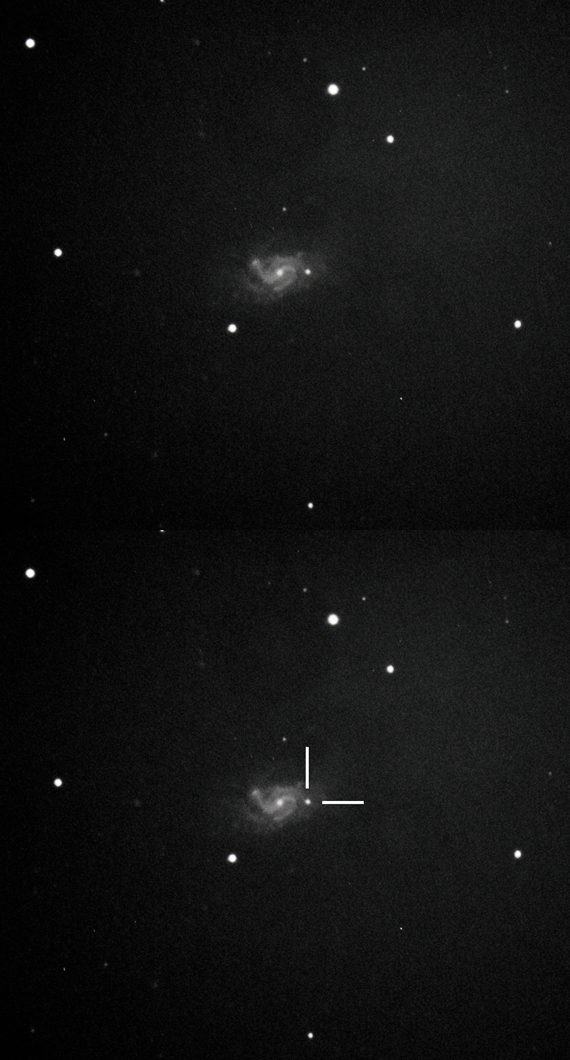
Visst kan vi se supernovor från skånsk horisont. Ronnie Svensson, vår astrofotograferande nye styrelseledamot i ASTB, har fångat denna spektakulära supernovasmäll i NGC 4545 (se tekniska/optiska detaljer i astronet.se):
Samtidigt passar – apropå förra W-bloggen – variabilisten nr 1 Hans Bengtsson på att sända över denna dubblett klassiska novor i vår galaxnärhet:
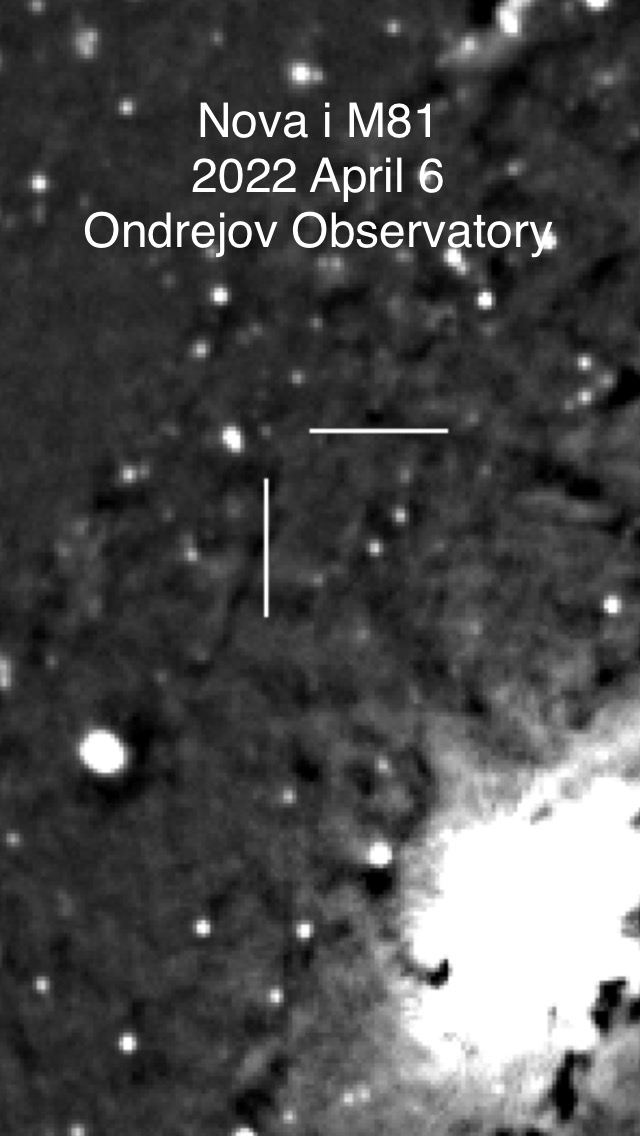
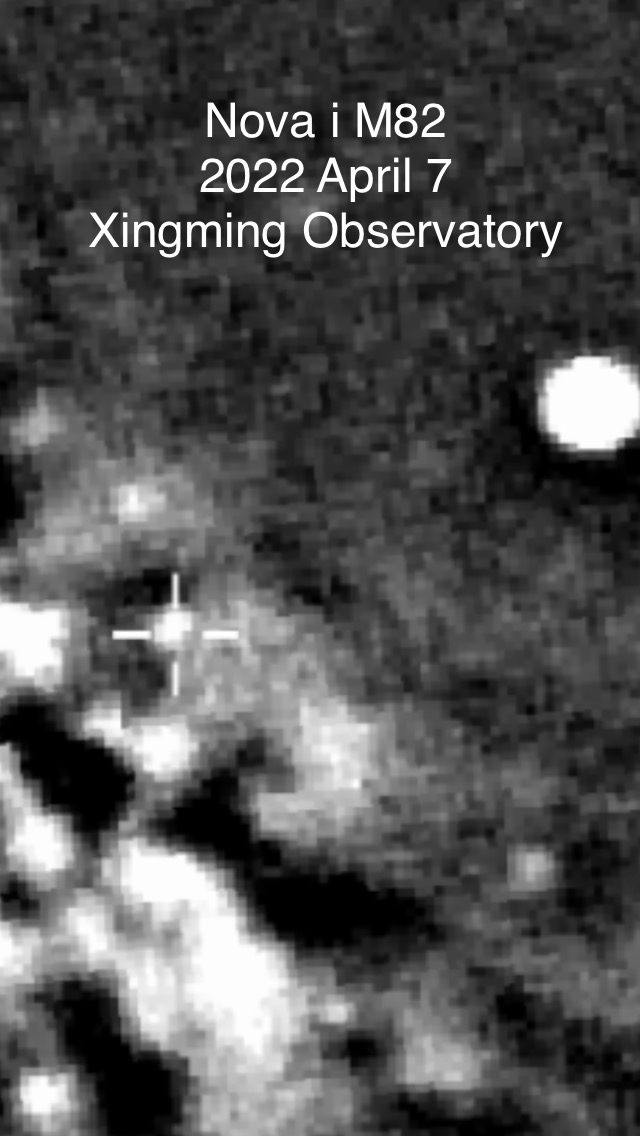
Hans påpekar att dessa är två helt färska upptäckter av två klassiska novor i M81 och M82.
Novor i dessa galaxer kan sägas ligga vid gränsen för vad som är rimligt att upptäckas av amatörer. Båda novorna är av magnitud 20.
Hans erinrar om en spännande utveckling i jätteriket: Att Kina alltmer tar över denna bransch.
– Numera görs den här typen av upptäckter på löpande band vid Xingming-observatoriet . Fram till förbara några år sedan var det ganska sällan kineserna kom först. Något har uppenbarligen hänt inom detta område.
Notabelt!
Osis för krigsförbrytaren
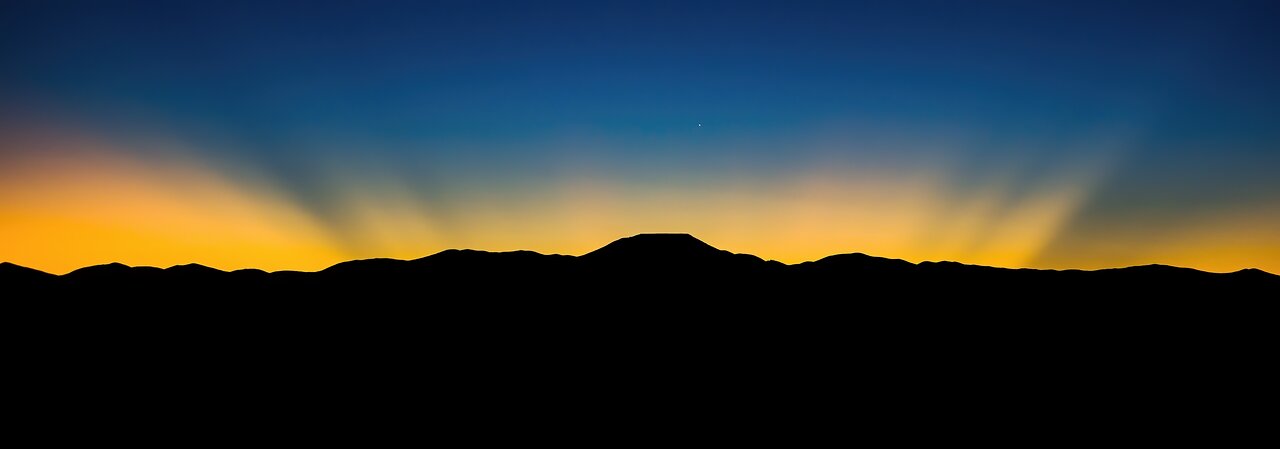
Ibland jäklas naturen även med diverse puttifnasker. ESO, vårt sameuropeiska sydobservatorium i Chile, kablade för en tid sedan ut denna bild samtidigt som från ESO meddelades att ukrainska astronomer är särskilt välkomna till våra teleskop på de chilenska höjderna och till ESO-högkvarteret Garching, Tyskland:
Brötexten i ESO-messet lyder så här: “Due to the war in Ukraine, to support our colleagues in the scientific community and their families, ESO is announcing a Special Visitor Programme for Scientists working in the country to visit one of the ESO premises (Garching, Germany or Vitacura, Chile) to conduct scientific or technical projects. Grants will be provided in support of these scientific visits, and travel and accommodation will be covered for the full duration of the project. More information can be found on the ESO science pages.
All ESO Member States have condemned the military invasion of Ukraine ordered by the Russian leadership, which blatantly violates the most fundamental human rights and is entirely incompatible with our values at ESO. ESO does not have and does not intend to have any official relationship with institutions and companies from Russia and Belarus under the current circumstances.”
Naturen är ibland elak (men alltid rättvis). Exempel: Det finns på nätet en rad bilder på regnbågar över Kreml och Röda torget. Ha!
: